
What Type of Bag Interfacing Should You Use?
Bag interfacing supports handbags, backpacks, totes, and travel bags. Learn how to match woven, nonwoven, and felt materials.

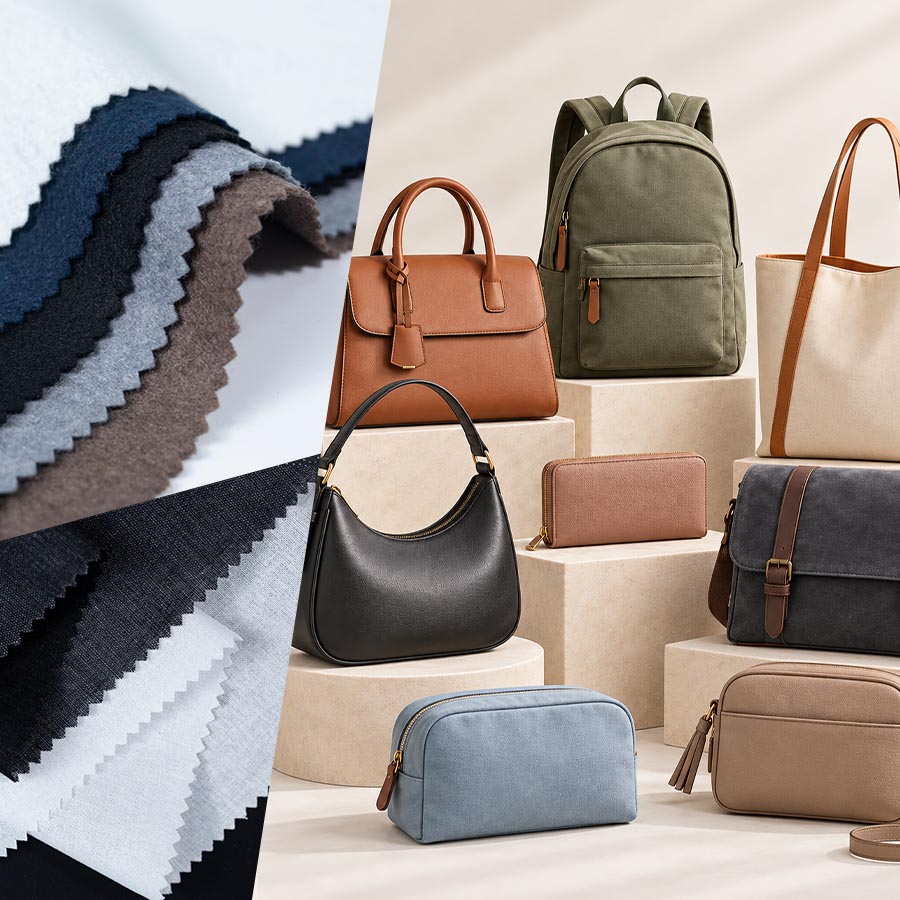
Bag interfacing supports handbags, backpacks, totes, and travel bags. Learn how to match woven, nonwoven, and felt materials.
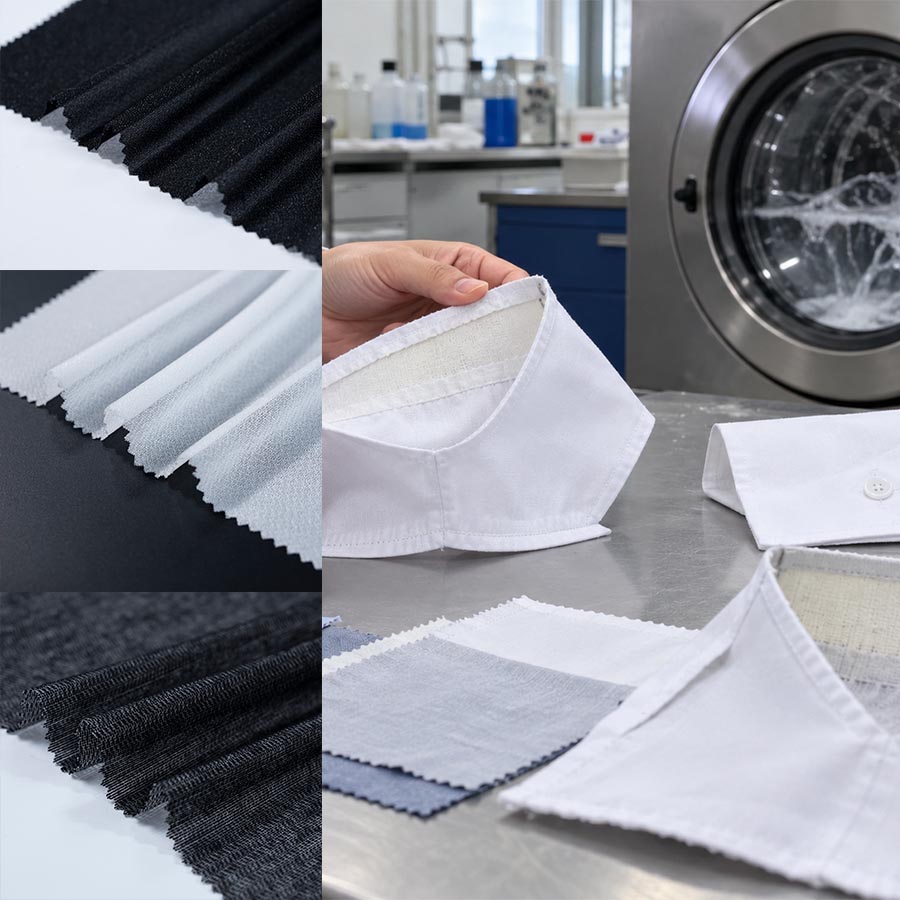
Interlining wash test checks bonding, shrinkage, bubbling, and shape after washing. Learn what buyers should inspect before production.
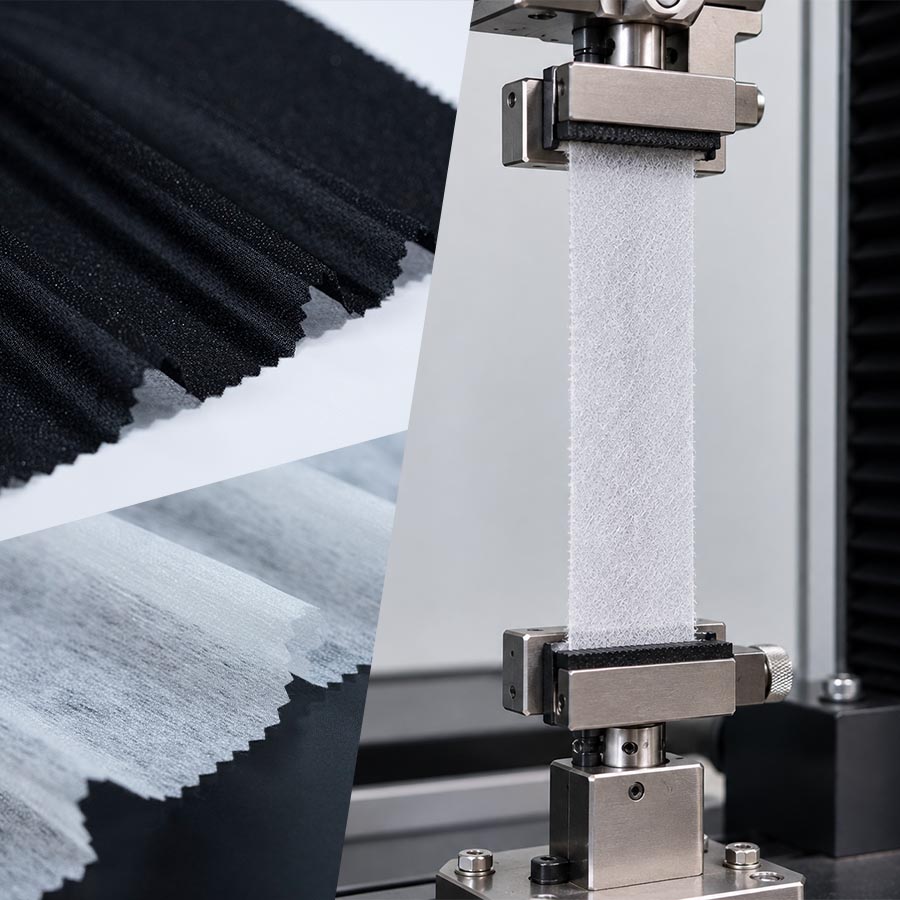
Interlining breaking strength testing measures the force needed to break a sample and helps buyers check fabric quality and consistency.
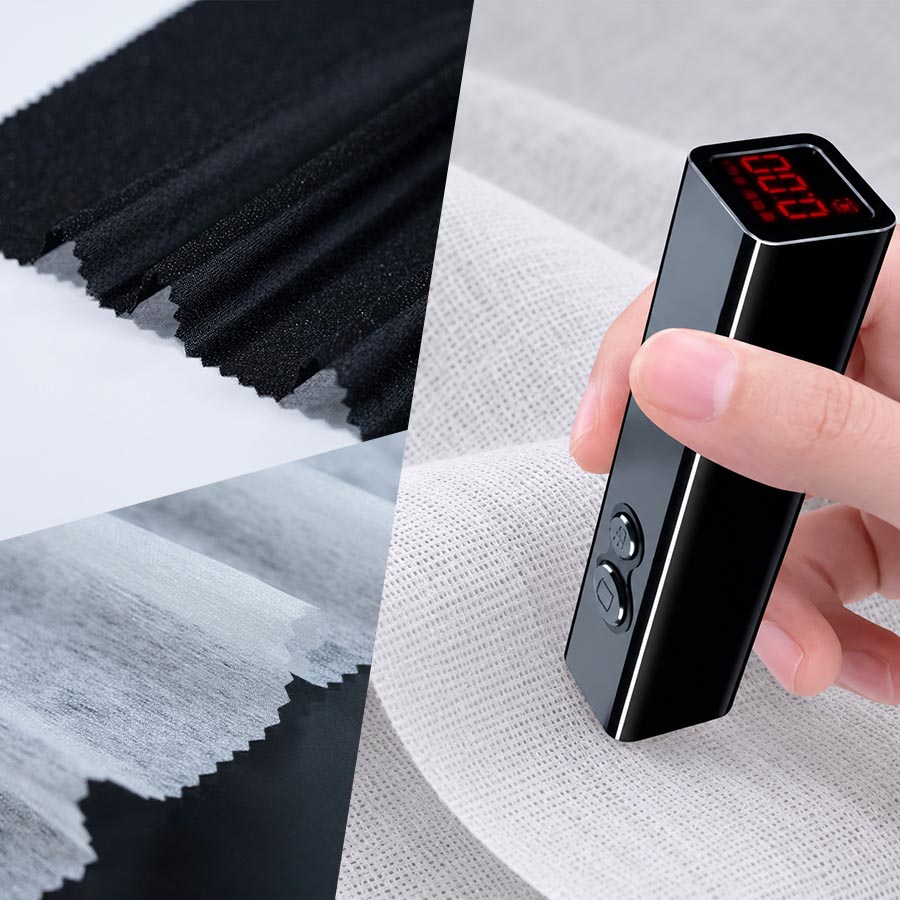
Fluorescence testing for interlining checks fluorescent whitening agents and helps buyers meet garment quality requirements.
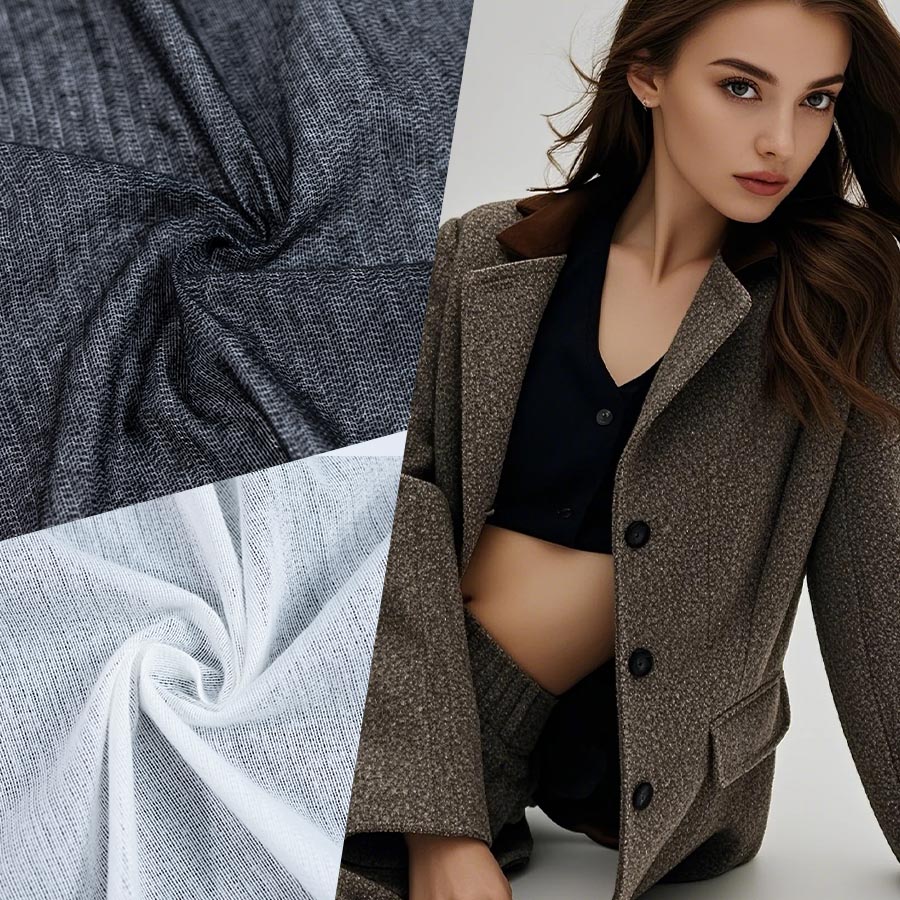
Interlining for wool coats should add shape without making the fabric stiff. Compare woven, napped, and hair interlining options.
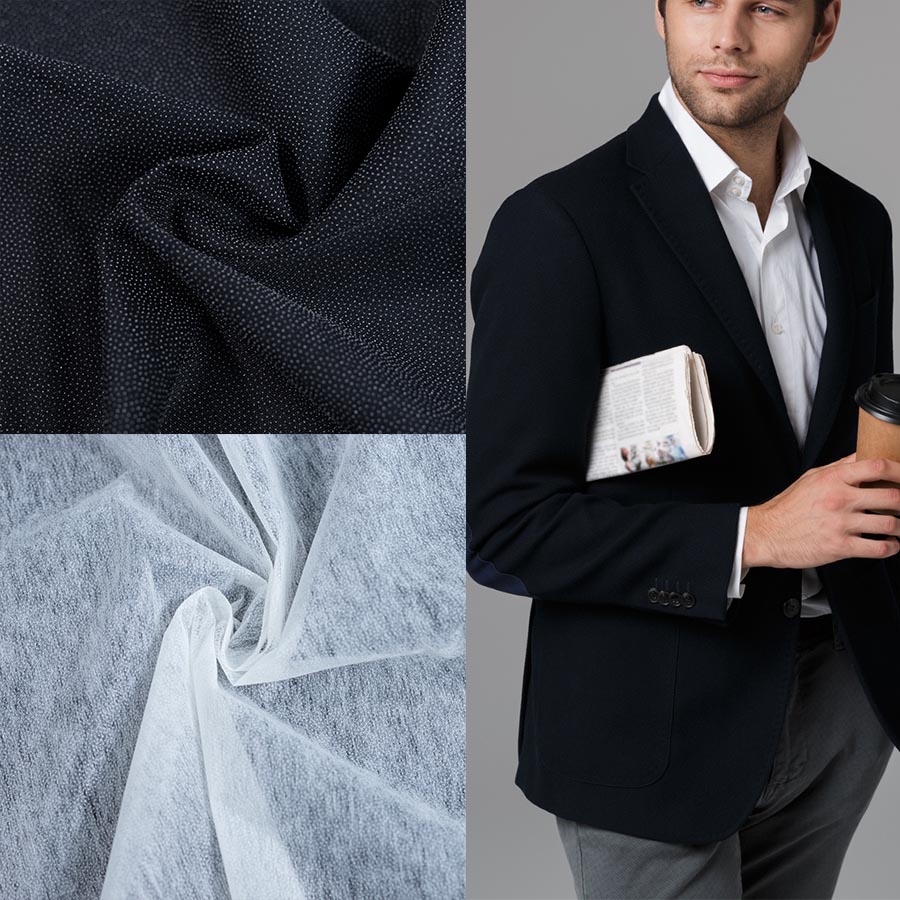
Microdot fusible interlinings use fine adhesive dots for smooth bonding, soft hand feel, and clean garment appearance.

Dress interfacing supports necklines, waistbands and bodices. Learn how to choose the right type for different dress fabrics.
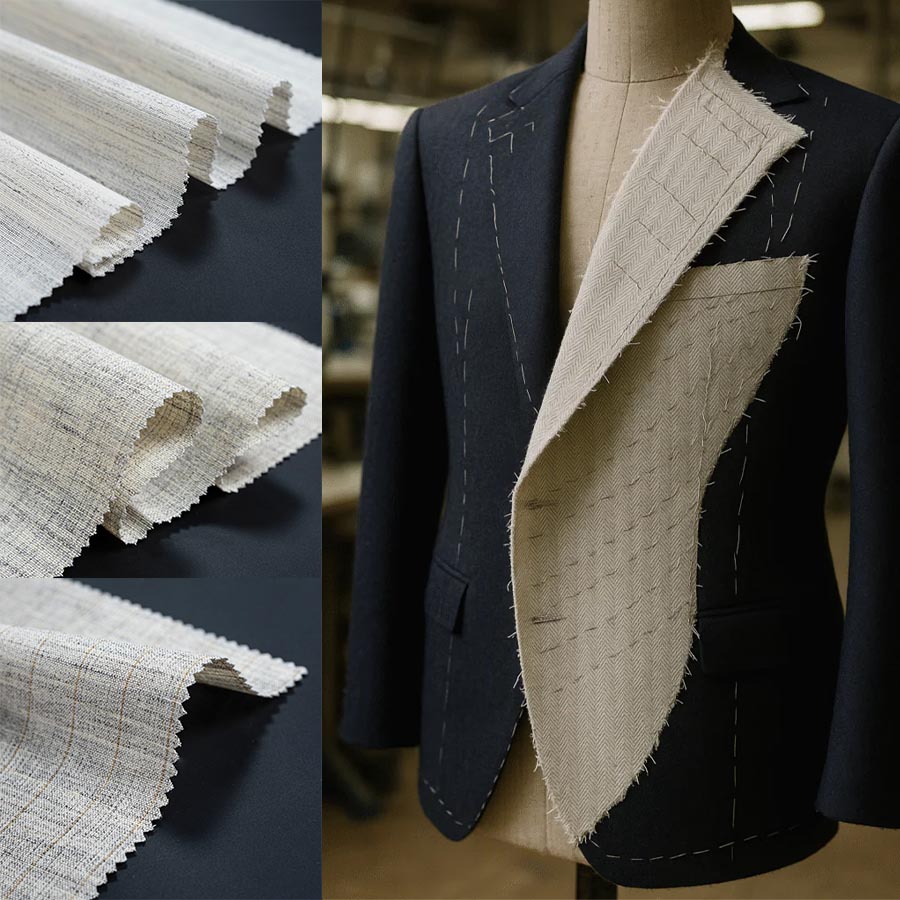
Suit interlining helps control jacket shape, lapels and fronts. Learn how to choose fusible interlining or hair canvas for suits.
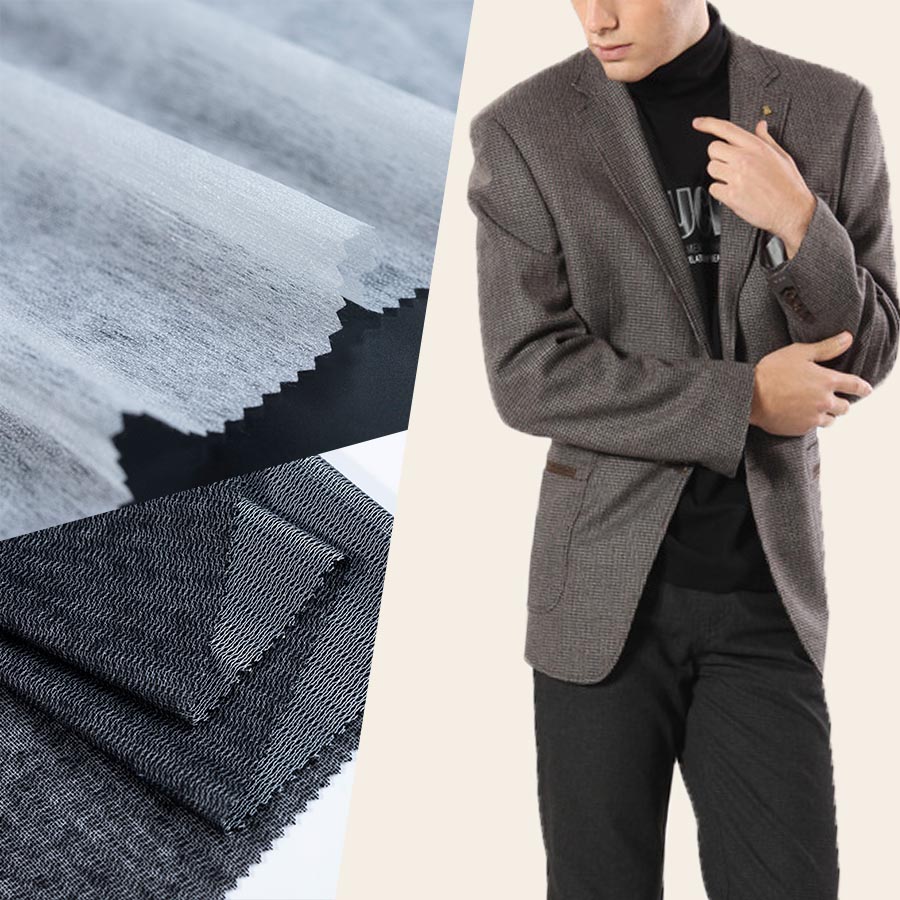
Coat interlining adds shape and support without making the garment too stiff. Learn how to choose the right type for coat fabrics.
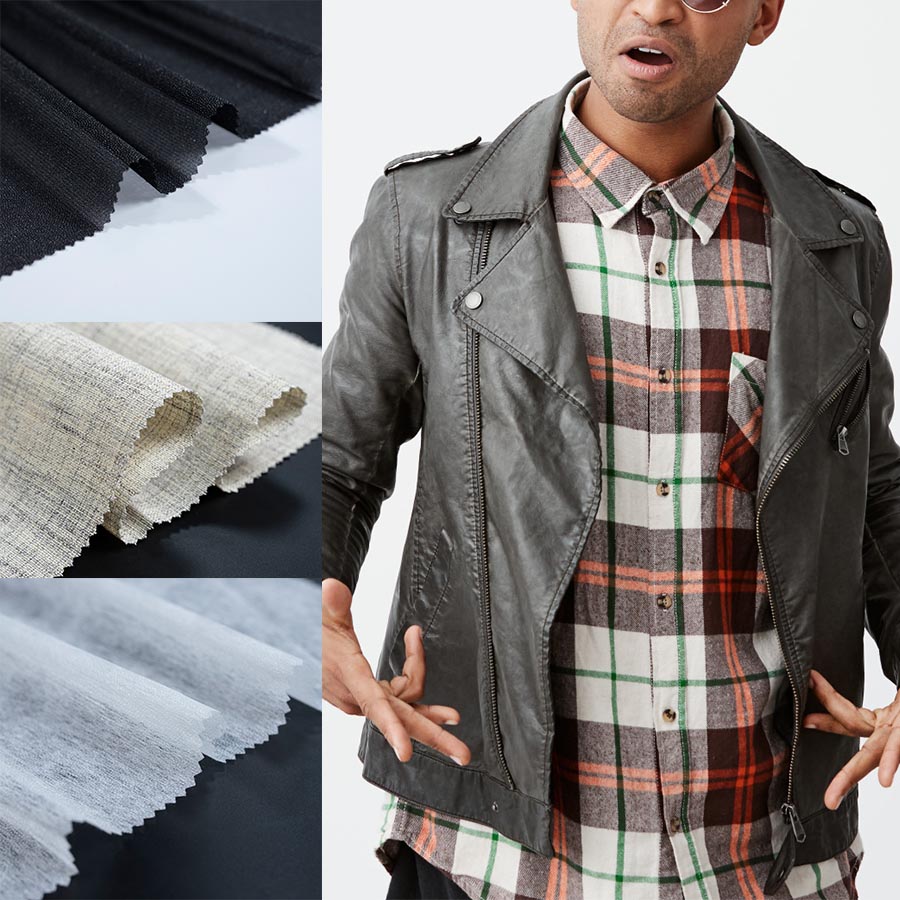
Jacket interlining helps control shape, drape and support in jackets. Learn how to choose the right type for different fabrics.
