
How Do You Choose Double Sided Fusible Interlining?
Double sided fusible interlining bonds two fabric layers with hot melt adhesive web. Learn materials, applications, and testing.

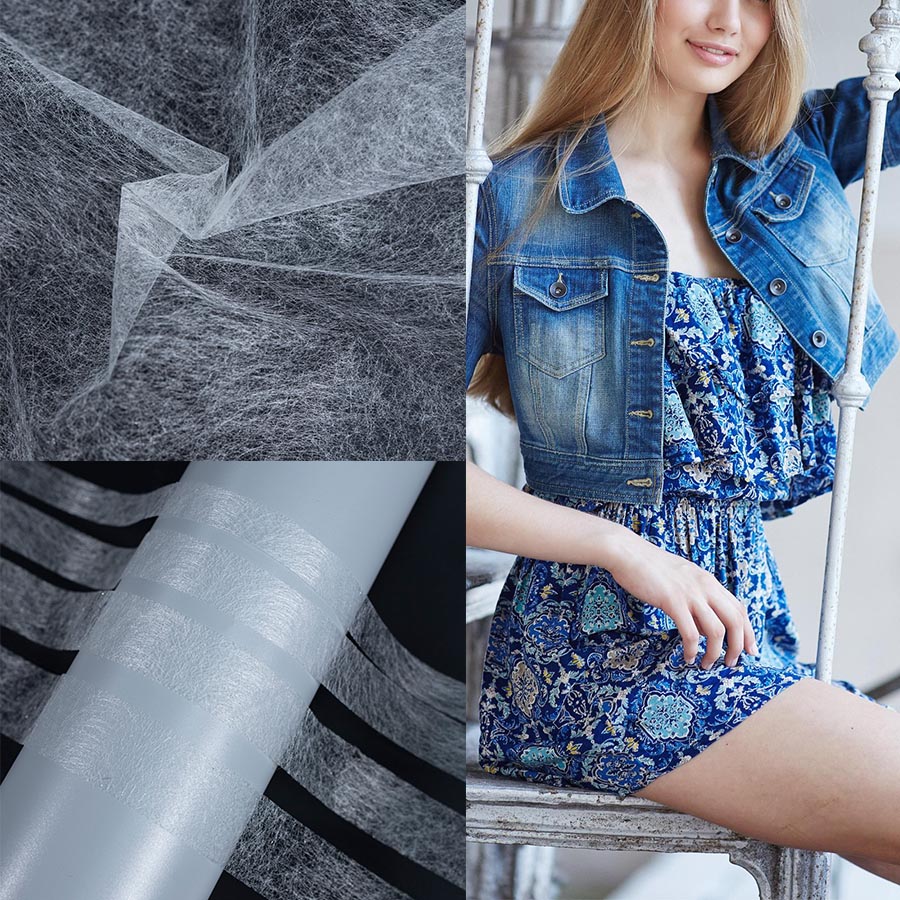
Double sided fusible interlining bonds two fabric layers with hot melt adhesive web. Learn materials, applications, and testing.

Visit Shanghai Uneed Textile at Intertextile Shanghai, August 25–27, 2026. Find us at Hall 1.1, Booth B01.
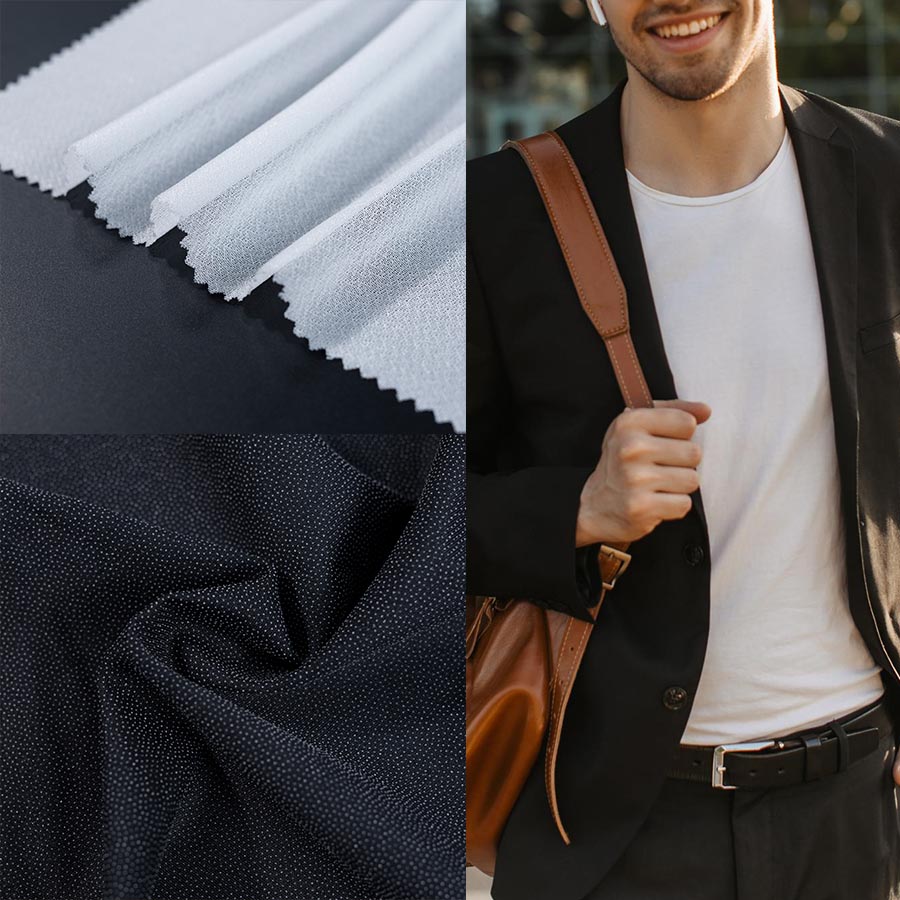
Polyester woven interlining offers stable support for shirts, jackets and coats. Learn how to choose weight, coating and fusing.
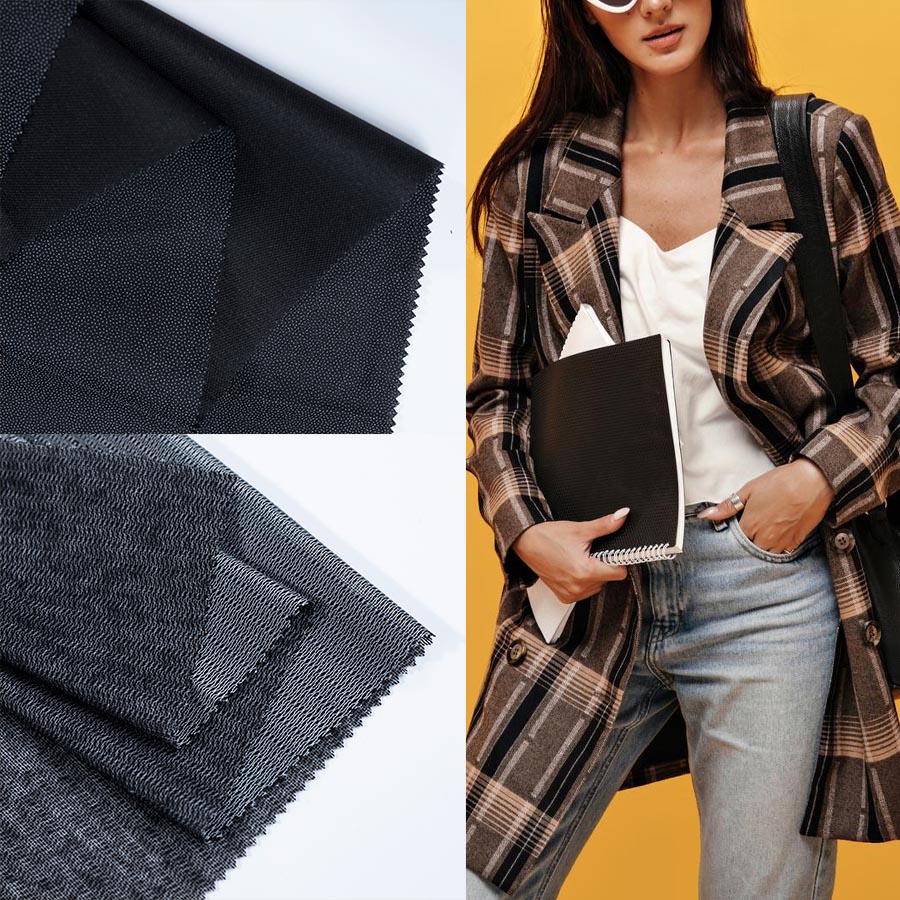
Woven fusible interfacing adds stable support to garments. Learn how to match fabric, weight, coating, and fusing conditions.
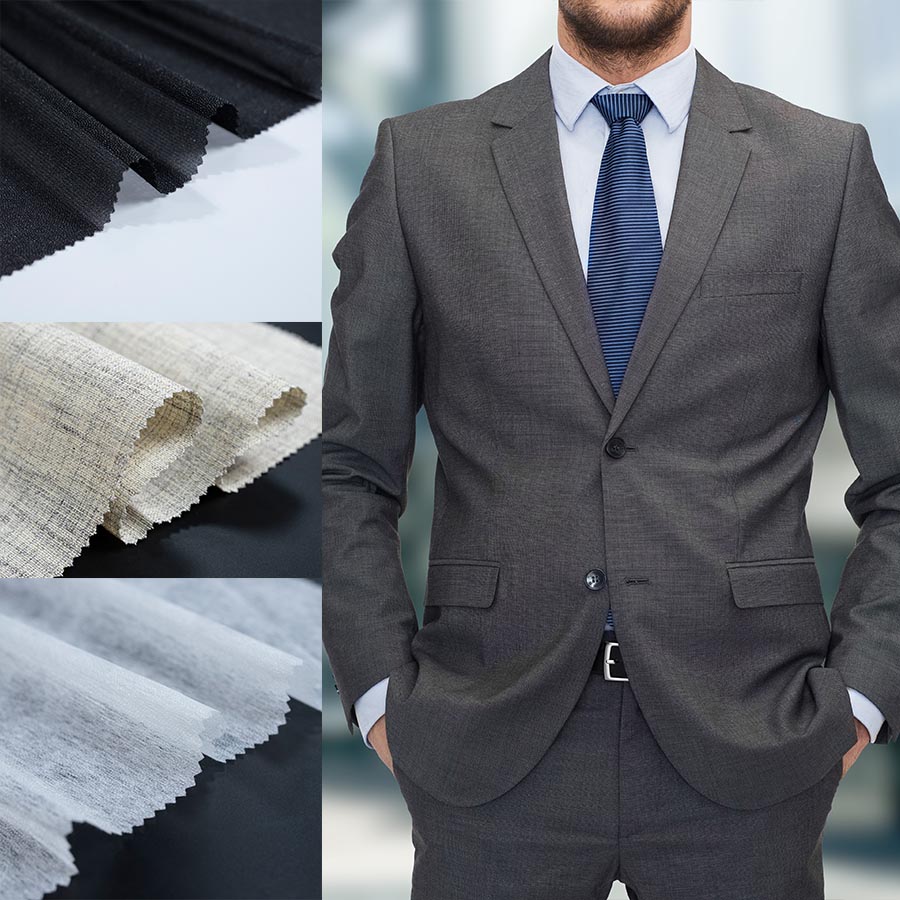
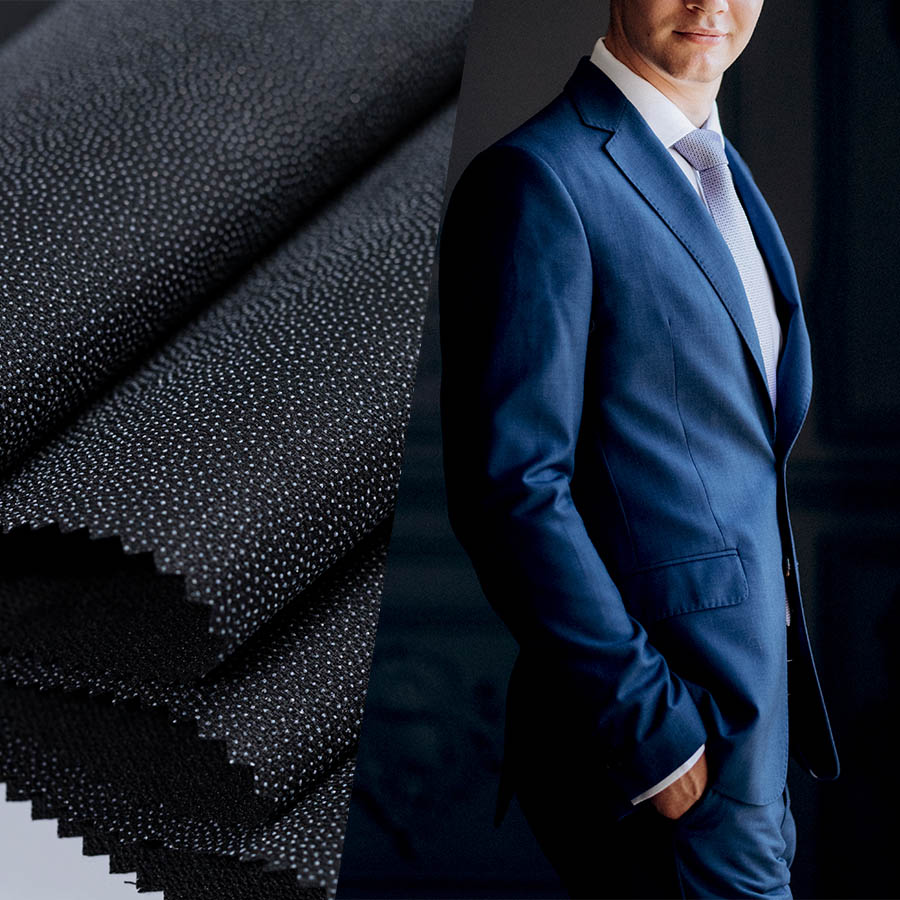
Garment interlining supports collars, cuffs, fronts, and other areas while helping clothes keep shape and comfort.
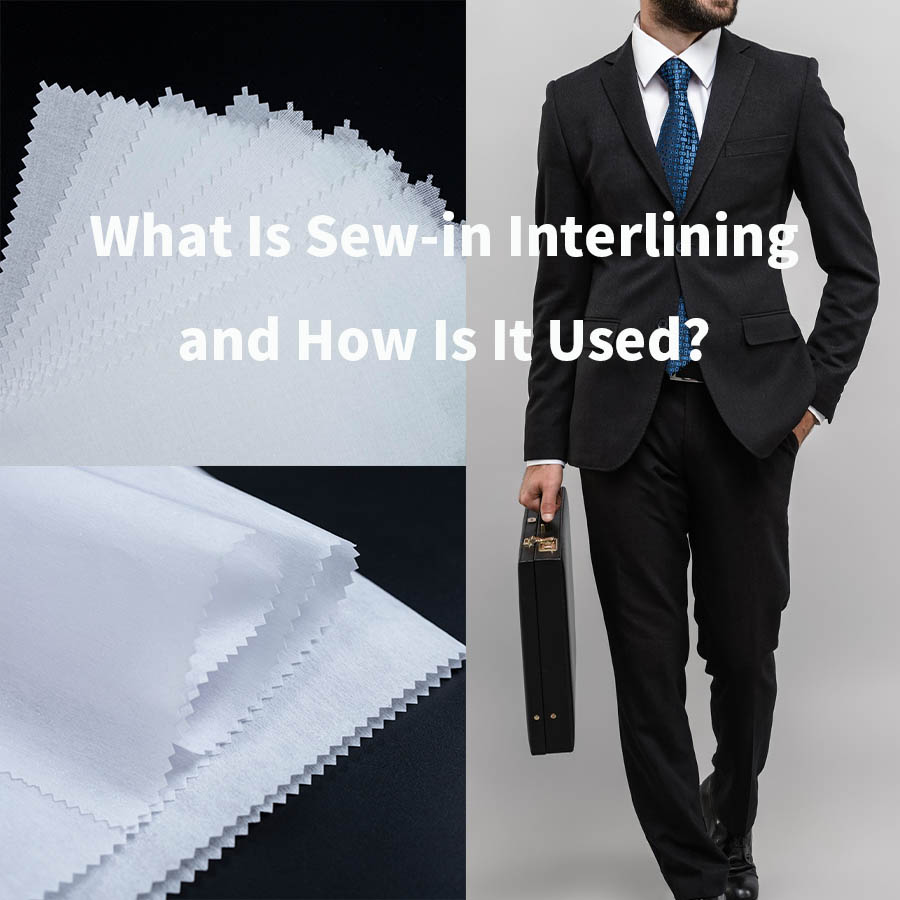
Sew-in Interlining is an uncoated support material sewn into garments for shape, stability and a natural hand feel.
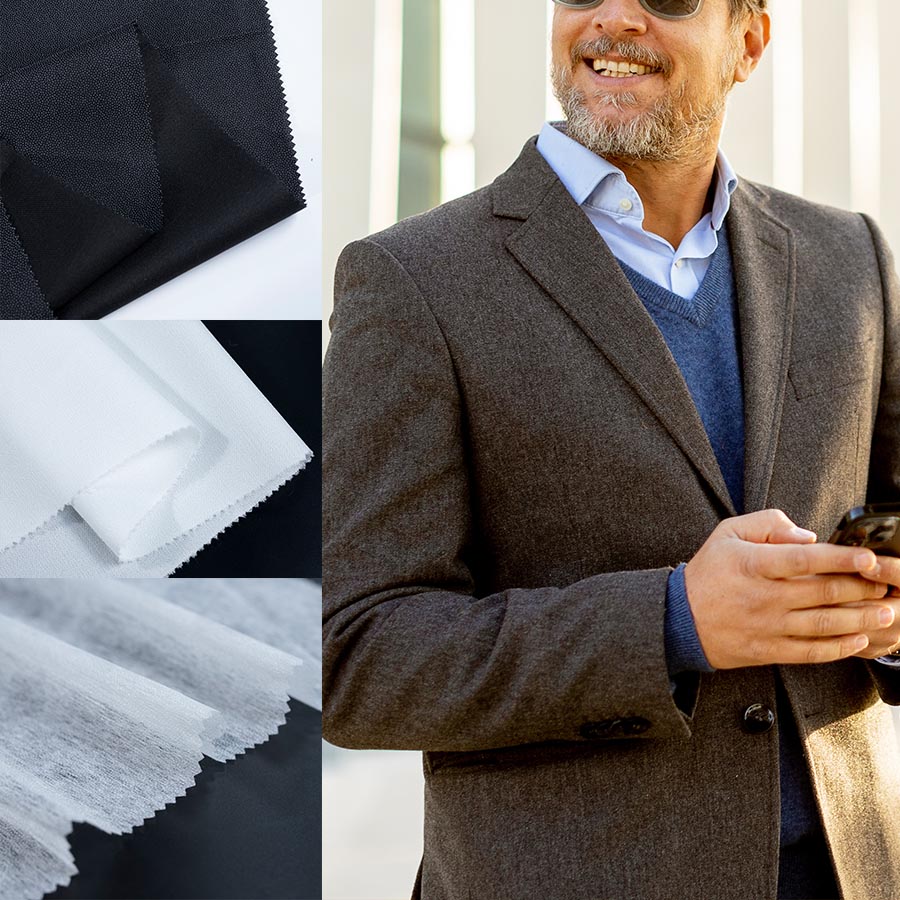
Interlining fabric supports garment shape and comfort. Learn how to choose the right type for shirts, suits, coats, and ties.
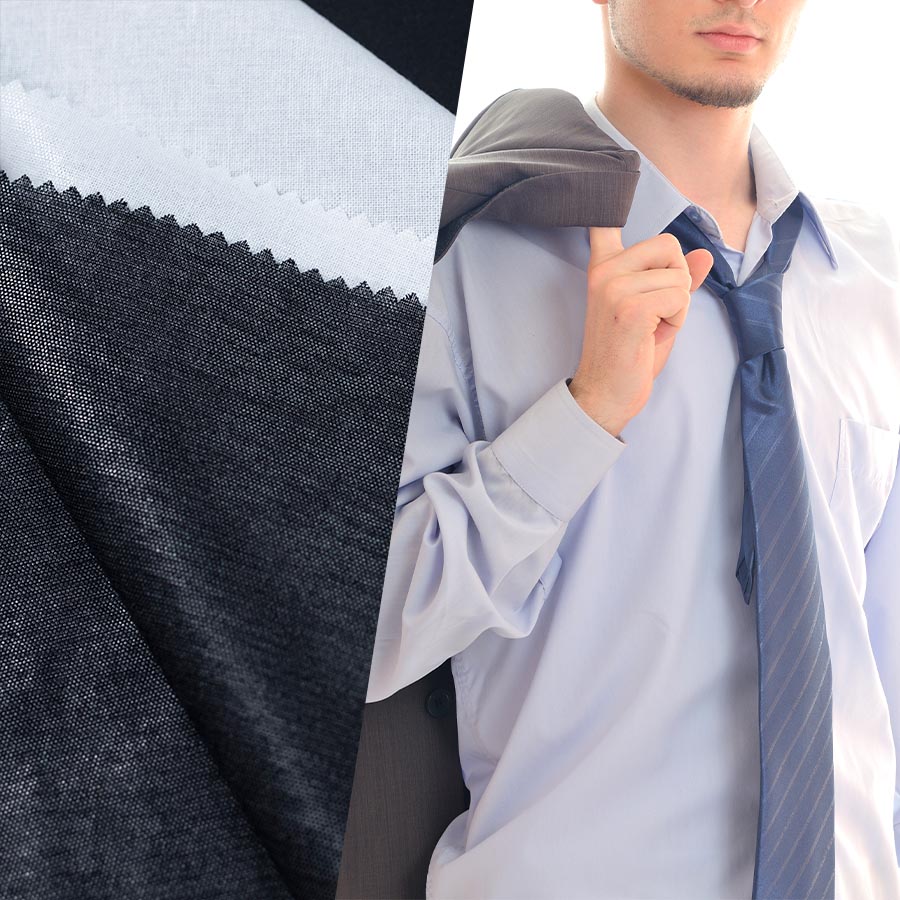
Shirt interfacing helps collars, cuffs, and plackets keep their shape while maintaining comfort and a clean appearance after repeated washing.
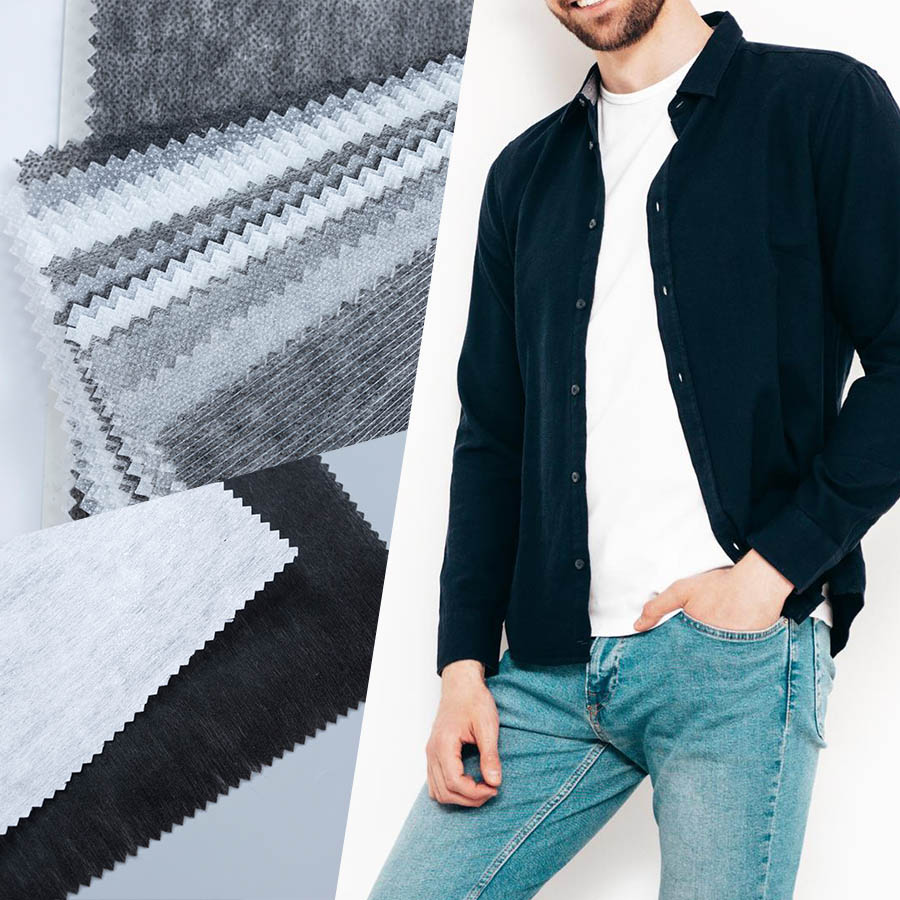
Non woven interfacing is widely used in garment production because it provides reliable support, easy application, and consistent performance for many fabrics.
Pellon fusible interfacing alternative options can help buyers find factory-direct solutions for garment production and bulk sourcing.
.png)