
When Should You Use Fusible Knit Interfacing?
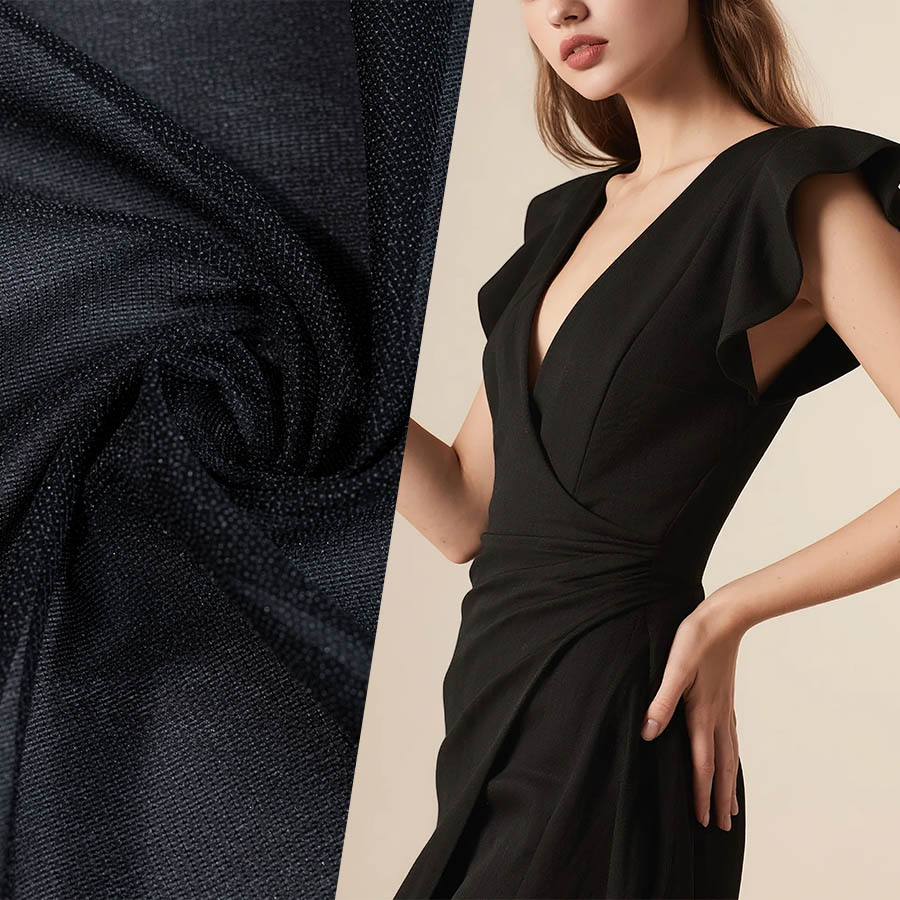
Many garment problems do not appear until production starts.
A collar looks fine before fusing.
A placket seems stable during cutting.
Then after pressing, the fabric becomes stiff, distorted, or loses its natural drape.
In many cases, the problem is not the fabric.
It is the interfacing.
This is why many garment manufacturers choose fusible knit interfacing when working with stretch or lightweight fabrics.
It provides support, but still allows the garment to move naturally.
What Is Fusible Knit Interfacing?
Fusible knit interfacing is a knit-based support material with a heat-activated adhesive coating.
After heat and pressure are applied, it bonds to the fabric.
Unlike many woven or nonwoven alternatives, its knitted structure allows a certain degree of flexibility.
This makes it useful when shape retention is needed without creating excessive stiffness.
Many buyers know this product by different names, including:
- knit interfacing
- fusible tricot interfacing
- knitted fusible interlining
- warp knit interfacing
Although the terminology varies, the application is often similar.
Why Do Manufacturers Use Fusible Knit Interfacing?
In our experience, the answer is usually simple.
They want support without sacrificing comfort.
Many modern garments use fabrics that stretch slightly.
If the support material is too rigid, the final garment may not perform as intended.
Fusible knit interfacing helps solve this issue.
It Maintains Flexibility
The fabric can still move naturally.
This is especially important for garments designed for daily wear.
It Adds Stability
Areas such as collars, cuffs, and front plackets often require reinforcement.
Without support, these parts may lose shape.
It Speeds Up Production
Because the adhesive is already applied, factories can fuse the interfacing directly during production.
This reduces sewing operations.
Common Applications
Fusible knit interfacing is widely used in apparel manufacturing.
Some of the most common applications include:
Shirts
Especially stretch shirts.
It helps stabilize collars and front openings.
Dresses
Many dress fabrics benefit from light support without becoming too stiff.
Blouses
A softer hand feel is often preferred.
Knit interfacing can help maintain that feel.
Lightweight Jackets
Used where moderate support is needed.
Knit Garments
Frequently used in polo shirts, knit tops, and similar products.
Comparison of Common Interfacing Choices
| Interfacing Type | Flexibility | Support | Typical Use |
|---|---|---|---|
| Fusible Knit Interfacing | High | Medium | Stretch garments |
| Woven Interfacing | Low | High | Structured garments |
| Nonwoven Interfacing | Low to Medium | Medium | General apparel |
| Hair Canvas | Low | High | Tailoring |
The best choice depends on the fabric and the final garment design.
How to Select Fusible Knit Interfacing
There is no universal solution.
A product that works well on one fabric may not perform well on another.
Consider Fabric Weight
Lightweight fabrics usually require lighter support.
Heavy support can affect drape and appearance.
Check Stretch Characteristics
The interfacing should work with the fabric rather than restrict it.
Review Fusing Conditions
Different adhesives require different temperatures and pressures.
Always check production settings.
Perform Sample Testing
This step is often overlooked.
Testing before bulk production can help avoid costly problems later.
Common Issues and How to Avoid Them
Many buyers ask similar questions when working with fusible knit interfacing.
Bubbling After Fusing
This can happen when temperature, pressure, or adhesive selection is not appropriate.
Fabric Distortion
The support material may not match the fabric properties.
Poor Bonding
Insufficient heat or pressing time can affect adhesion.
Excessive Stiffness
The selected interfacing may be too heavy for the fabric.
Most of these issues can be identified during sample testing.
Questions Buyers Often Ask
Instead of focusing only on specifications, buyers usually want to know how the product will perform in production.
Here are some common questions.
Does fusible knit interfacing stretch?
It has flexibility, but the amount depends on the construction.
Is it suitable for lightweight fabrics?
Yes, many lightweight fabrics use fusible knit interfacing.
Can it be used on woven fabrics?
Yes, depending on the application.
Is it softer than woven interfacing?
In many cases, yes.
Does it improve collar performance?
It is commonly used for collars and plackets.
Should every stretch fabric use knit interfacing?
Not necessarily. The best choice depends on the garment requirements.
Why Choose UNT?
Choosing the right interfacing is often more important than choosing the lowest price.
At UNT, we work with garment manufacturers, brands, and sourcing companies around the world.
Our experience in interlining and garment accessories helps customers find practical solutions for real production challenges.
Why customers choose us:
- More than 10 years of industry experience
- Stable product quality
- Support for sample development
- Reliable export service
- Fast communication
- Flexible product options
We focus on helping customers match the right interfacing to the right fabric.
Contact Us
Shanghai Uneed Textile Co., Ltd
TEL: +86-21-33608891
FAX: +86-21-33608892
Email: info@uneed-tex.com
continue reading
Related Posts

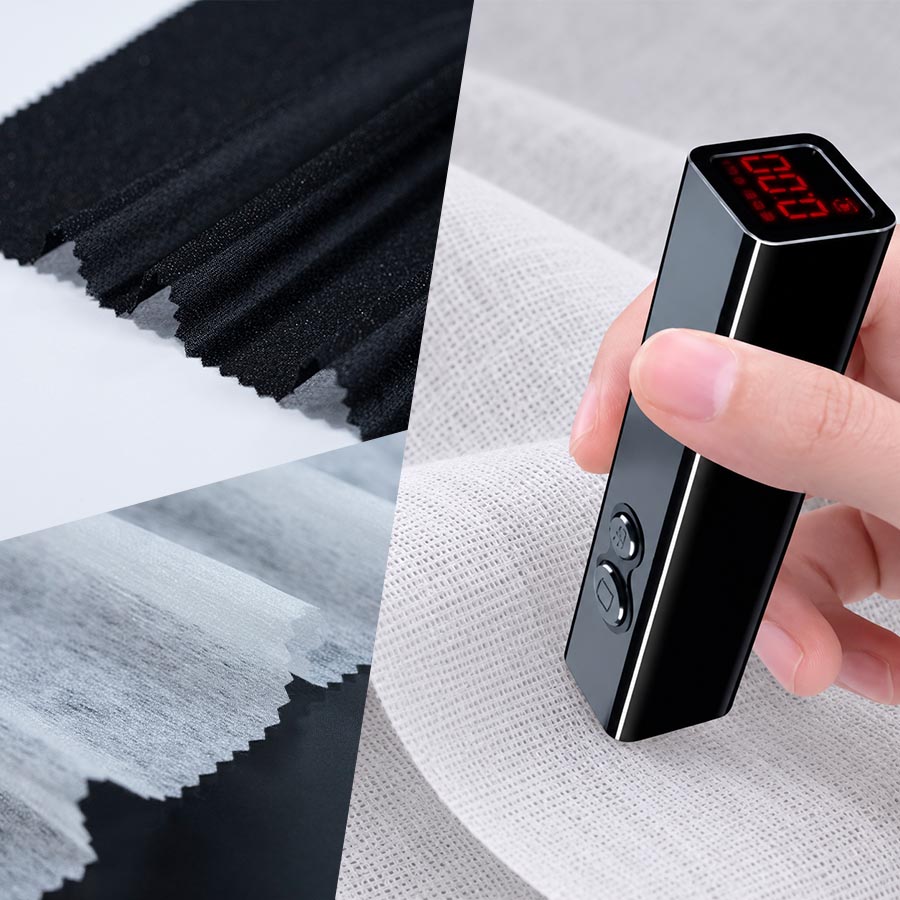
Fluorescence testing for interlining checks fluorescent whitening agents and helps buyers meet garment quality requirements.
-
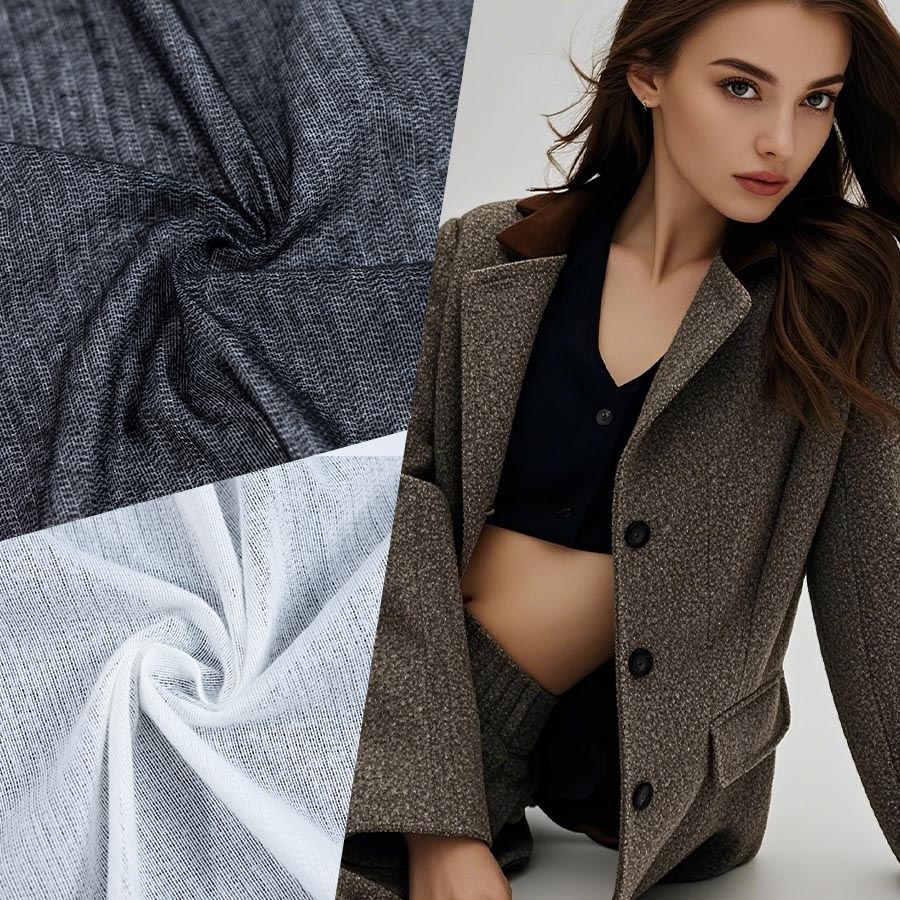
Interlining for wool coats should add shape without making the fabric stiff. Compare woven, napped, and hair interlining options.
-
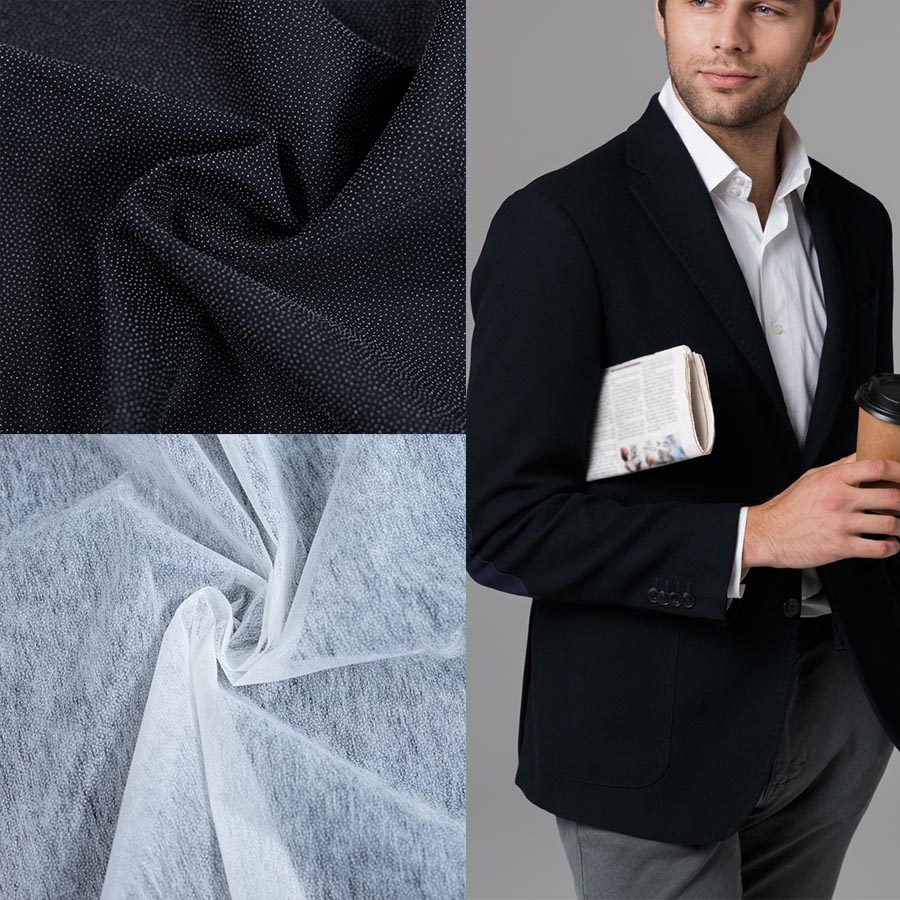
Microdot fusible interlinings use fine adhesive dots for smooth bonding, soft hand feel, and clean garment appearance.
.png)