
Why Do Stretch Fabrics Need Knit Interfacing?

Many fabrics move.
They stretch when worn and return when released.
That flexibility makes garments more comfortable, but it can also create challenges during production.
Necklines may become distorted.
Button plackets may lose shape.
Collars may look uneven after washing.
When factories run into these problems, they often look at the support material inside the garment.
In many cases, the solution is knit interfacing.
Unlike woven or rigid nonwoven products, knit interlining is designed to move with the fabric instead of working against it.
That is why it is commonly used in garments made from stretch fabrics.
What Is Knit Interfacing?
Knit interfacing is a type of interfacing made with a knitted structure.
Many buyers also know it as:
- knitted interlining
- warp knit interlining
- tricot interfacing
Although the names may differ, they are often referring to similar products.
The main difference between knit interfacing and many traditional interfacings is flexibility.
It provides support without making the garment feel overly stiff.
When Is Knit Interfacing Used?
In our experience, buyers usually choose knit interfacing when they need support but still want the fabric to move naturally.
Common applications include:
Stretch Shirts
Used to reinforce collars, cuffs, and plackets.
The garment keeps its shape while remaining comfortable.
Dresses
Many dress fabrics have some stretch.
Knit interfacing helps stabilize key areas without affecting drape too much.
Knit Garments
T-shirts, polo shirts, and knit tops often need support in selected areas.
Knit interfacing is a common solution.
Lightweight Jackets
Some lightweight jackets use knit interfacing to maintain a softer hand feel.
Why Not Use Woven Interfacing?
This is a common question.
Woven interfacing provides excellent support.
However, it may not always be the best choice for stretch fabrics.
If a stretch fabric is fused with a very rigid support material, problems can occur:
- reduced flexibility
- fabric distortion
- uncomfortable wear
- uneven appearance
Knit interfacing helps avoid these issues because it has a degree of flexibility.
Main Benefits of Knit Interfacing
Maintains Fabric Flexibility
The fabric can still move naturally.
This is often the biggest advantage.
Improves Shape Retention
Areas such as collars and plackets stay more stable during wear.
Better Comfort
Garments usually feel softer compared with some rigid alternatives.
Suitable for Modern Fabrics
Many garments today use stretch materials.
Knit interfacing works well with these fabrics.
Comparison of Common Interfacing Types
| Type | Flexibility | Support Level | Common Applications |
|---|---|---|---|
| Knit Interlining | High | Medium | Stretch garments |
| Woven Interlining | Low to Medium | High | Suits, shirts |
| Nonwoven Interfacing | Low | Medium to High | General apparel |
How to Choose Knit Interfacing
There is no single product suitable for every fabric.
Before selecting an interfacing, consider:
Fabric Weight
Lightweight fabrics usually require lighter support.
Heavy fabrics may need stronger construction.
Stretch Requirement
Some garments require more stretch recovery than others.
The interfacing should match the fabric behavior.
Washing Requirement
Always test after washing.
Many garment issues appear after laundering rather than during production.
Fusing Conditions
Temperature and pressure should be tested before bulk production.
A sample trial can prevent many problems later.
Common Mistakes Buyers Make
Choosing Only by Price
The cheapest option may not work well with the fabric.
Compatibility is often more important.
Using Woven Interfacing for Every Fabric
Different fabrics require different support materials.
One solution does not fit every project.
Skipping Sample Testing
A fabric and interfacing combination should always be tested before mass production.
FAQ
Is knit interfacing the same as knitted interlining?
In many garment applications, yes. The names are often used interchangeably.
Can knit interlining be fusible?
Yes. Fusible knit interlining is widely used.
Is knit interlining suitable for shirts?
Yes, especially shirts made from stretch fabrics.
Can it be used in dresses?
Yes. It is commonly used in dress production.
Does knit interlining stretch?
It has flexibility, but the amount depends on the construction.
Is knit interlining softer than woven interfacing?
In many cases, yes.
Should I wash-test samples before production?
Yes. This is always recommended.
Why Choose UNT?
At UNT, we understand that garment performance depends on more than fabric alone.
The right interfacing can help improve shape, comfort, and production consistency.
We supply a range of interlining and interfacing products for garment manufacturers worldwide.
Why customers work with us:
- More than 10 years of industry experience
- Stable product quality
- Support for sample development
- Reliable export service
- Fast communication and technical support
We focus on helping customers choose materials that fit real production needs.
Contact Us
Shanghai Uneed Textile Co., Ltd
TEL: +86-21-33608891
FAX: +86-21-33608892
Email: info@uneed-tex.com
continue reading
Related Posts

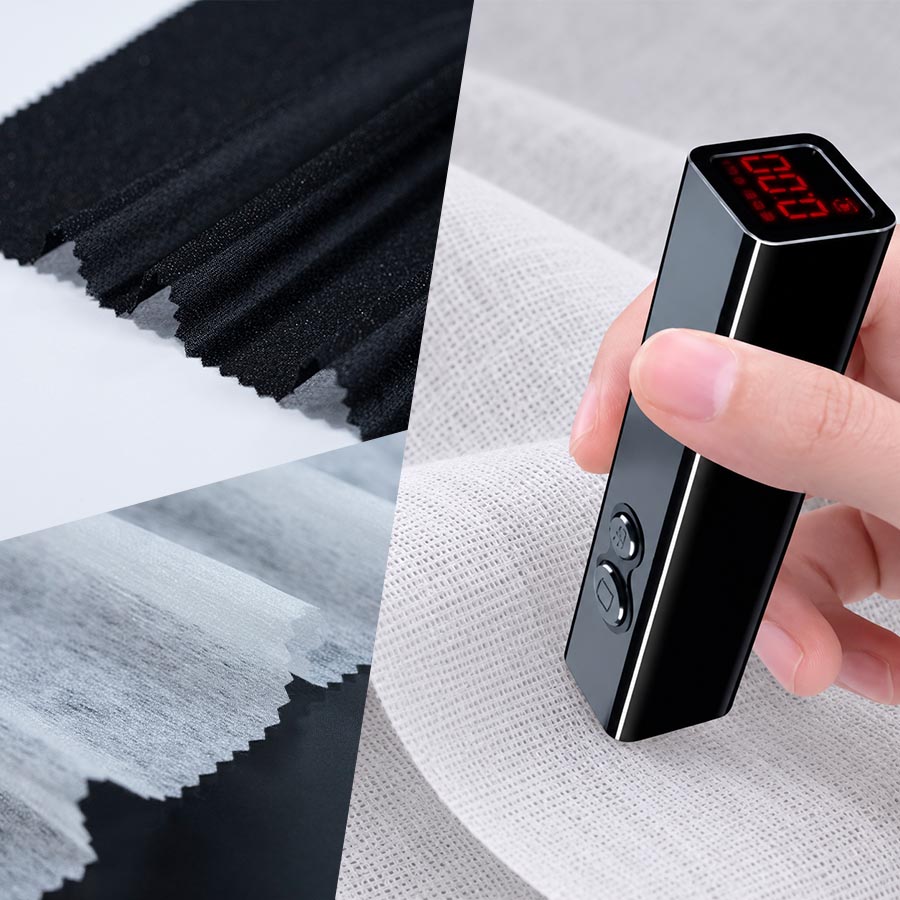
Fluorescence testing for interlining checks fluorescent whitening agents and helps buyers meet garment quality requirements.
-
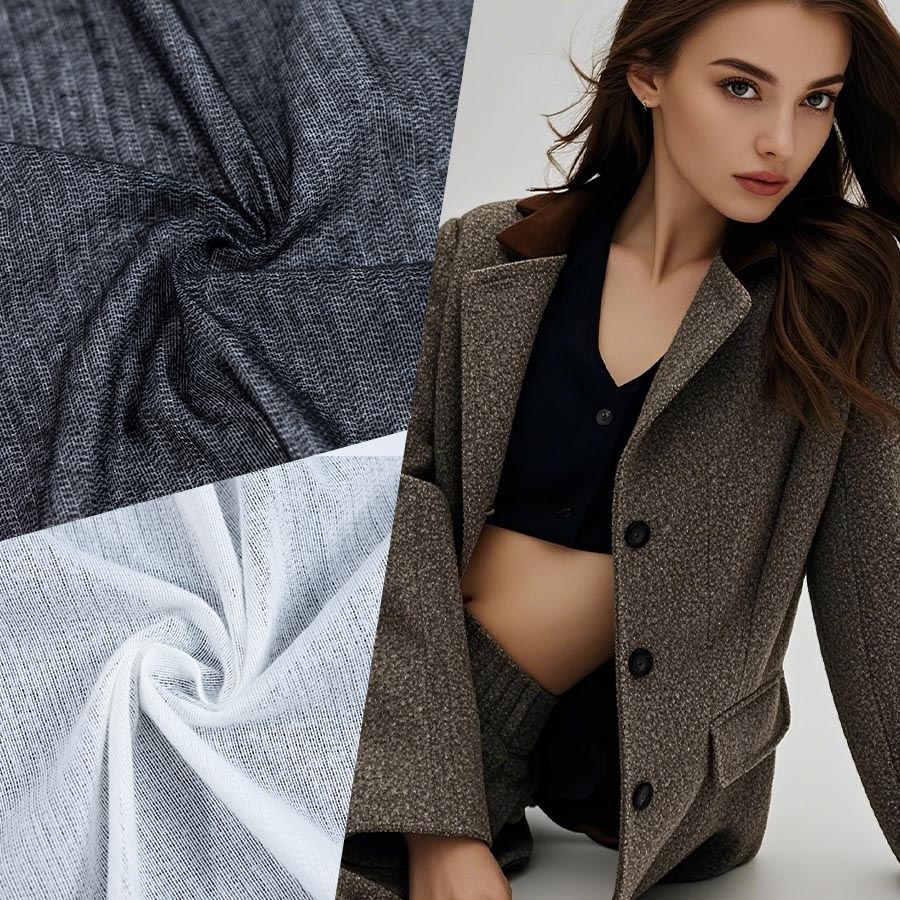
Interlining for wool coats should add shape without making the fabric stiff. Compare woven, napped, and hair interlining options.
-
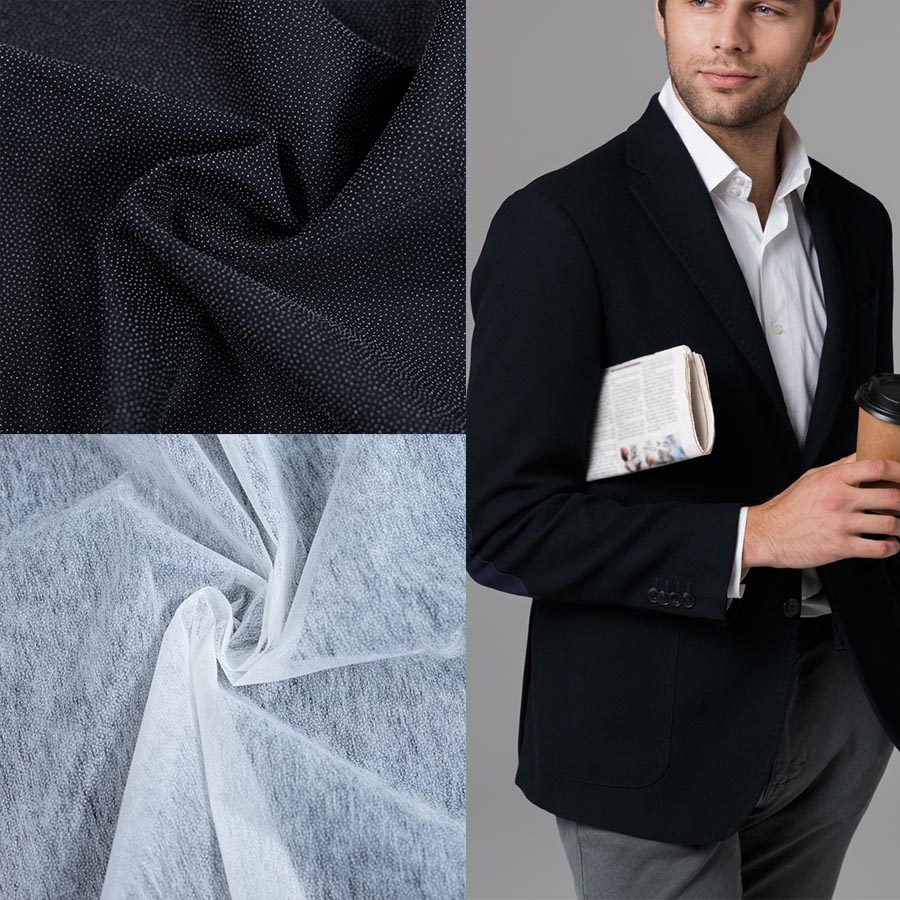
Microdot fusible interlinings use fine adhesive dots for smooth bonding, soft hand feel, and clean garment appearance.
.png)