What Is Cotton Interfacing and Why Do Some Buyers Prefer It?
Cotton interfacing offers natural support, soft hand feel, and reliable structure for garments and sewing applications.

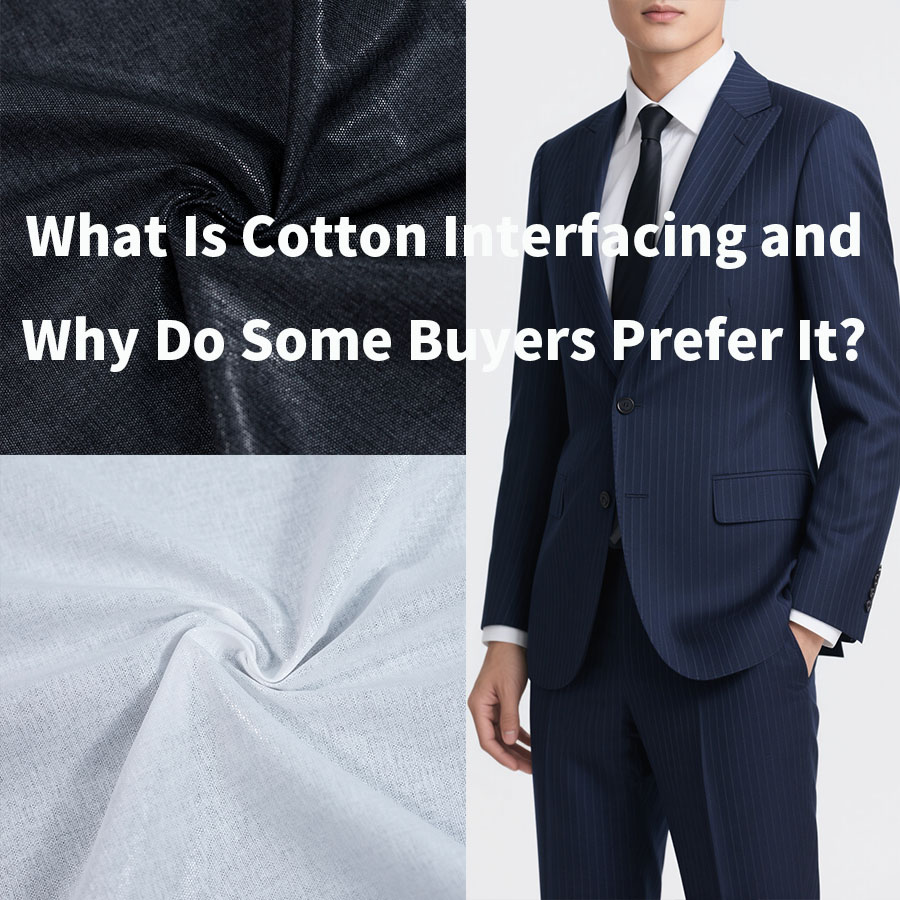
Cotton interfacing offers natural support, soft hand feel, and reliable structure for garments and sewing applications.

Hair canvas gives suits natural shape, structure, and long-lasting performance in premium tailoring.
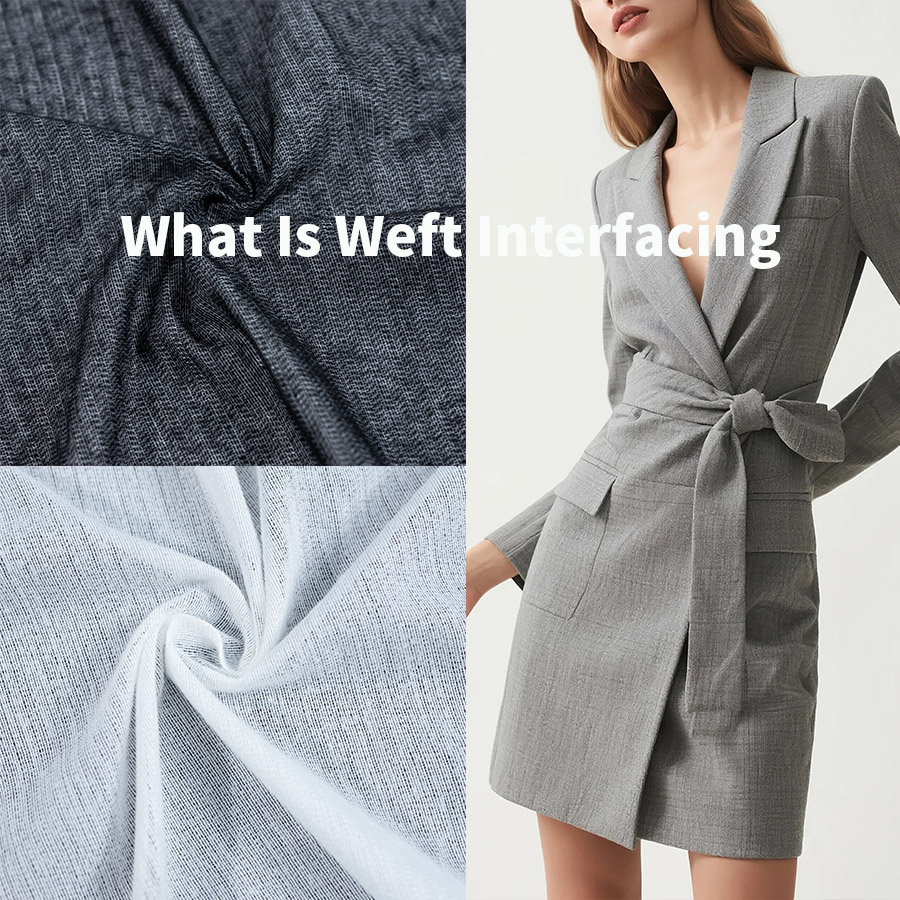
Weft interfacing adds soft structure and better hand feel, often used in coats and outerwear fabrics.
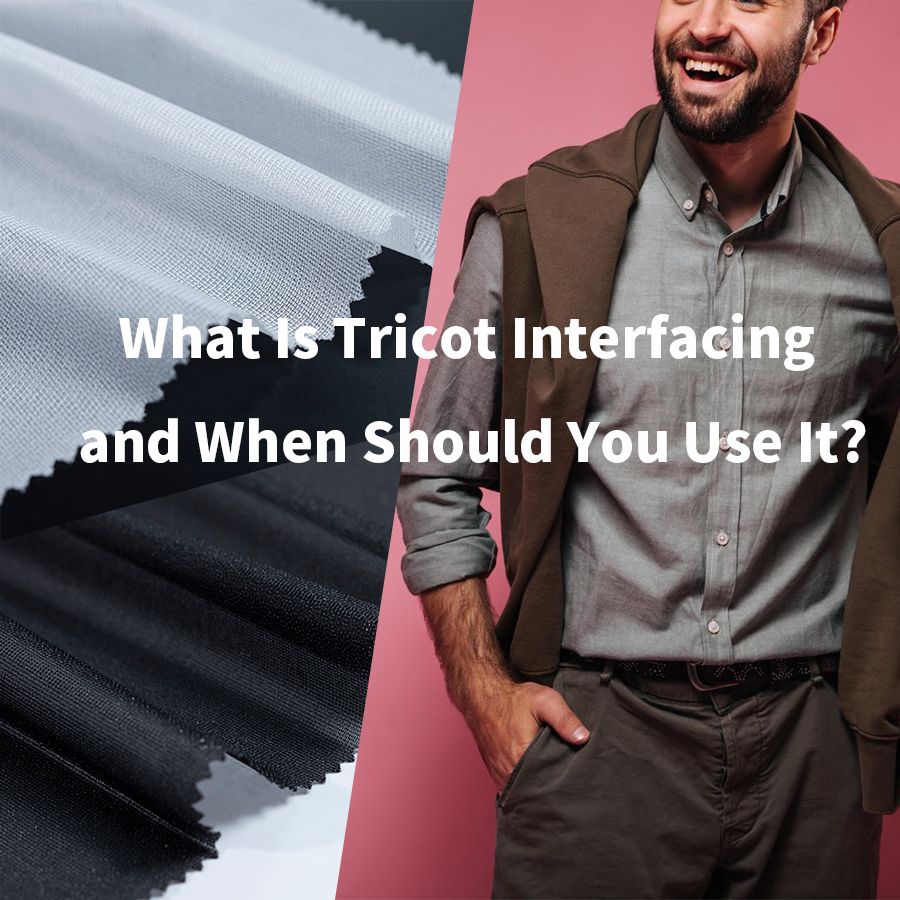
Tricot interfacing provides soft support and flexibility, ideal for garments that need shape without feeling too stiff.
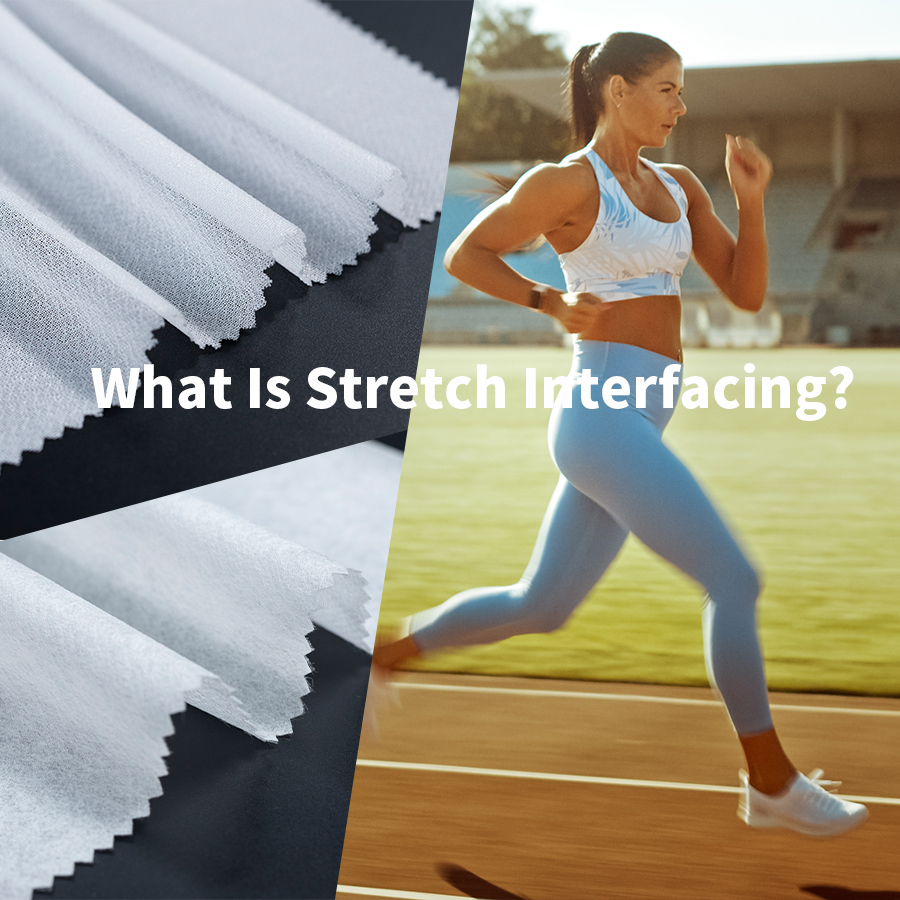
Stretch interfacing adds support while keeping fabric flexible, ideal for knitwear and stretch garments.
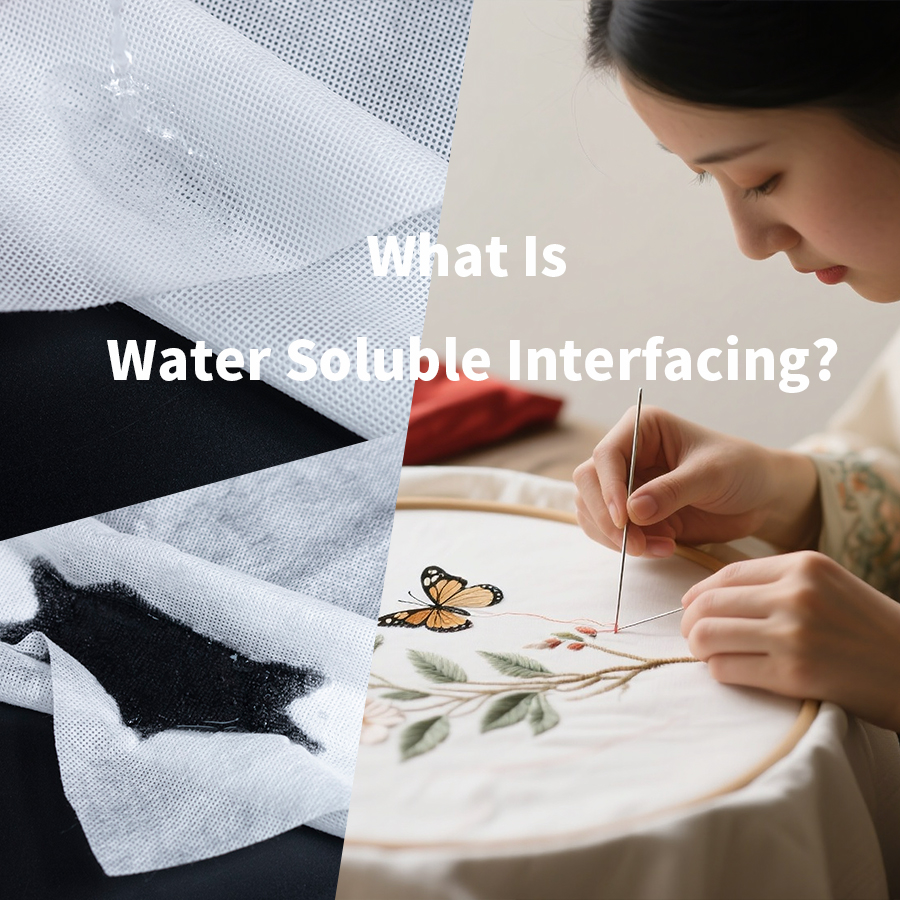
Water soluble interfacing dissolves in water, widely used as embroidery backing for clean and soft results.
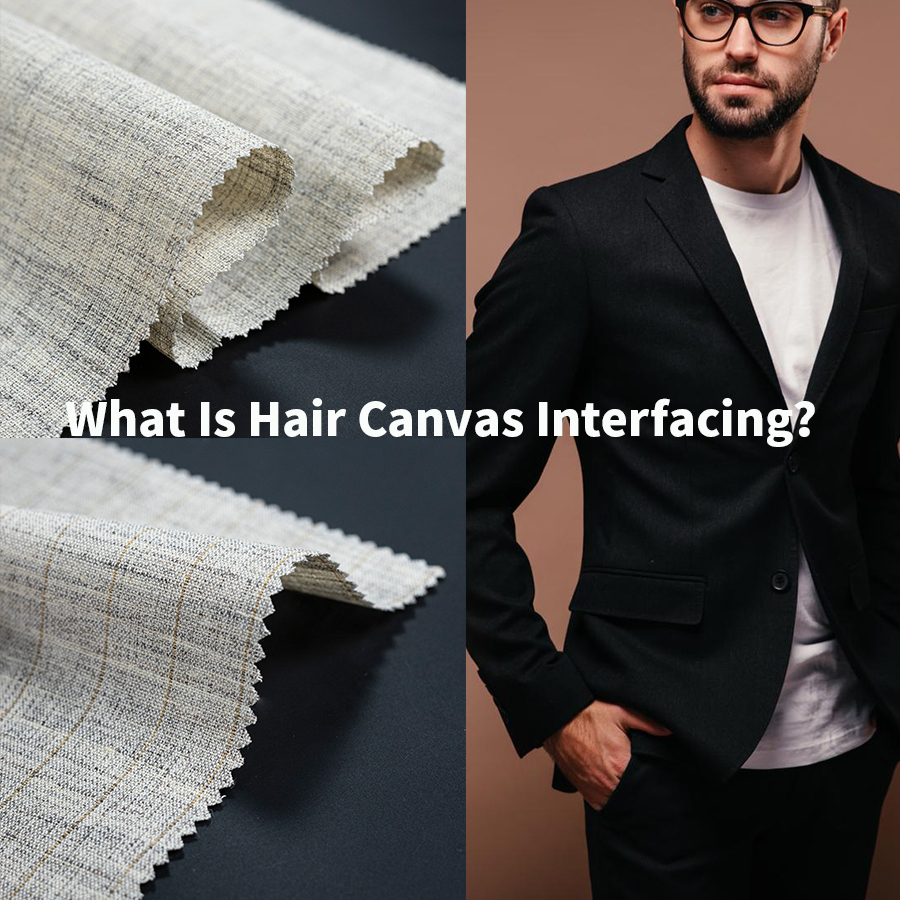
Hair canvas interfacing is used in suits to create natural structure and shape without stiffness.
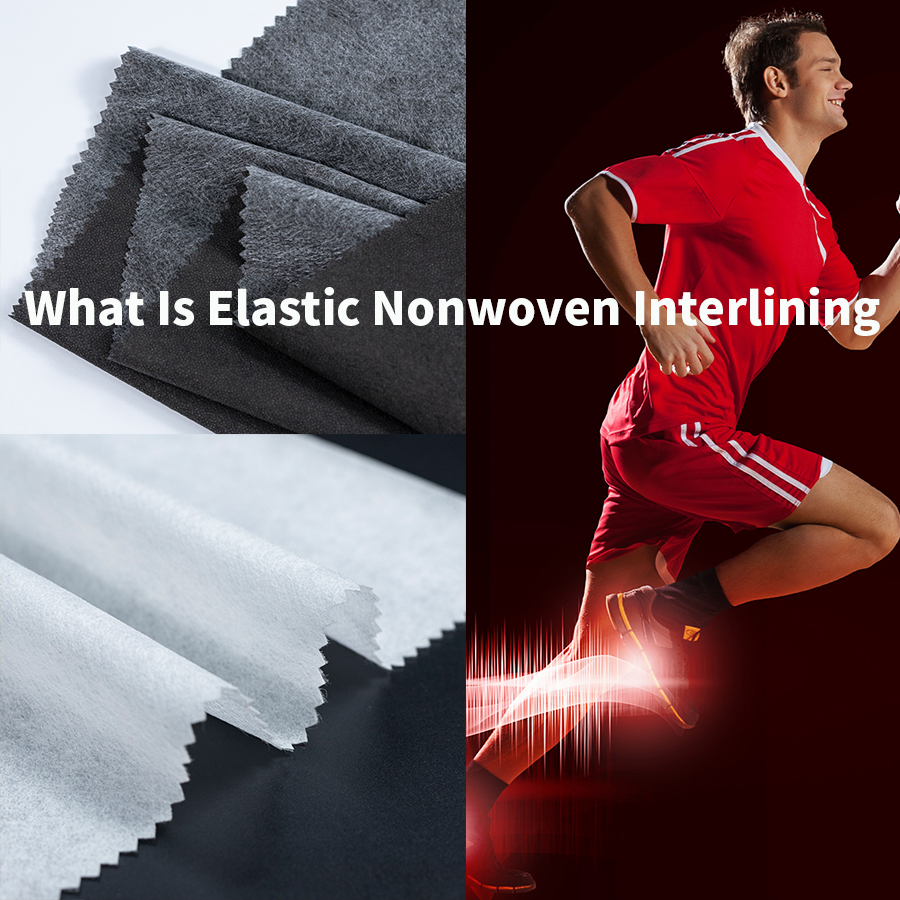
Elastic nonwoven interlining offers flexibility and support, ideal for garments that need stretch and comfort.
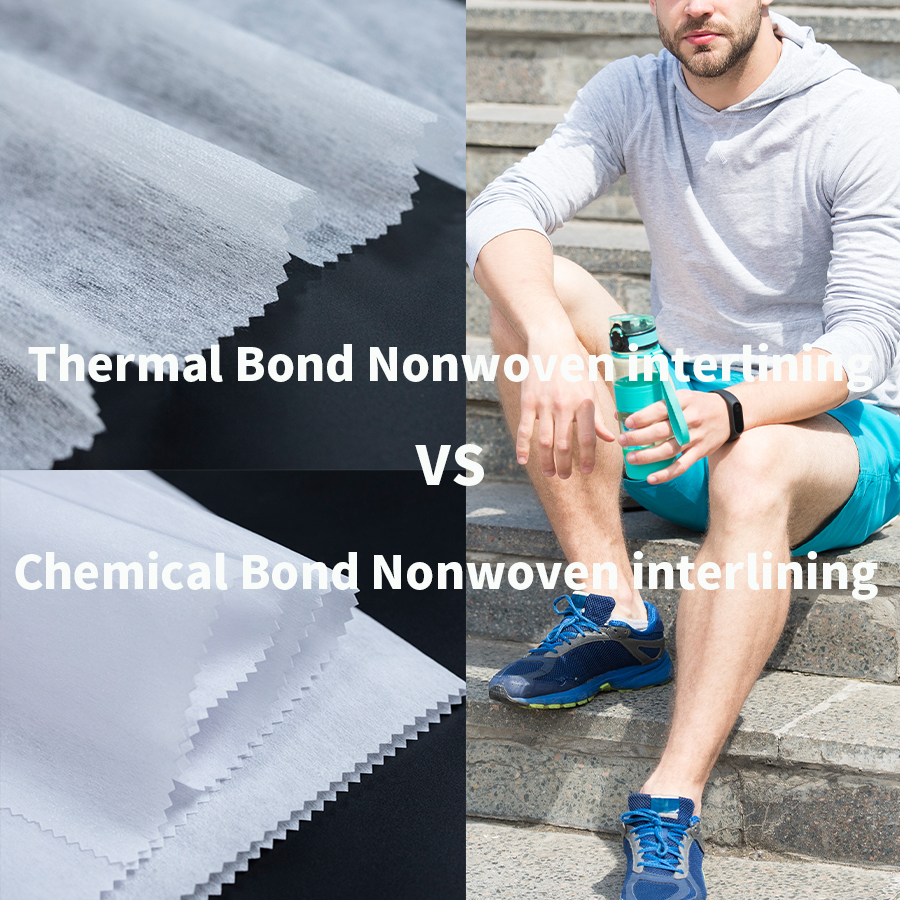
Chemical bond vs thermal bond nonwoven interlining: key differences in softness, cost, and best uses.
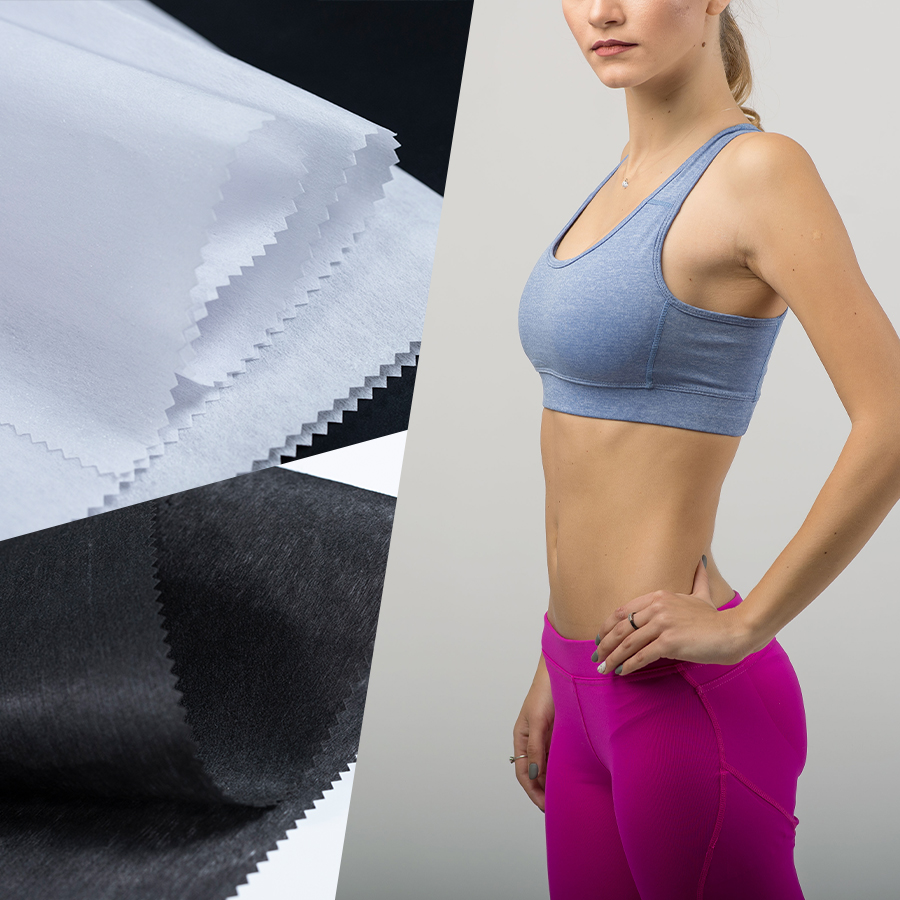
Chemical bond non woven interlining is soft and flexible, ideal for lightweight garments where stiffness needs to be avoided.
